Choosing the right seat suspension is key to long-term comfort. This guide breaks down the differences between sinuous spring systems and webbing seat bases, helping you understand which might be the better fit for your body and lifestyle.
Comparing Support and Durability: Sinuous Springs vs Webbing Bases
When you’re shopping for a new sofa or chair, the conversation often turns to fabric and color first. But I’ve found that what’s underneath—the seat support system—is what truly determines if a piece becomes a beloved spot for years or a sagging disappointment. The two main contenders you’ll encounter are sinuous spring foundations and webbed seat bases. Let’s pull back the fabric and see what makes each one tick.
How Sinuous Springs Work
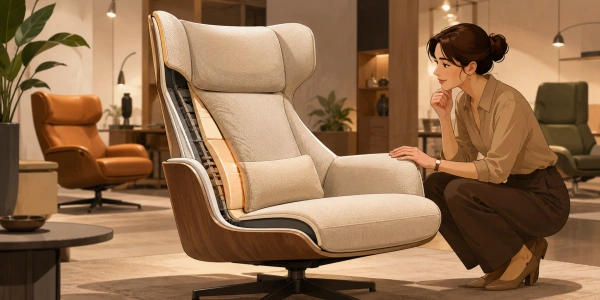
Picture a series of long, wavy, S-shaped wires running from the front to the back of the seat frame, secured at both ends. These are sinuous springs, also known as serpentine springs or no-sag springs. They’re typically spaced a few inches apart and are often held in place by additional clips or ties to the frame. This design creates a flexible, supportive grid. The main appeal here is a traditional, bouncy feel—it’s that classic sofa “give” many of us grew up with. In terms of durability, a well-made sinuous spring system with a high gauge (thicker) wire can last a very long time. However, over many years, you might notice a slight sag in the areas you sit most, as the metal can fatigue.
The Webbing Approach
On the other side, we have the webbing seat base. Instead of metal springs, this system uses interwoven straps—usually made from durable rubber or a synthetic material like polypropylene—stretched tightly across the seat frame in a crisscross pattern. It’s a bit like the supportive netting of a trampoline, but designed for sitting. This method, sometimes called an elastic suspension system, offers a different kind of support: it’s more of a firm, even cradle. One of its biggest selling points is minimal maintenance; there are no springs to potentially squeak or snap. For a deeper dive into furniture construction, resources like The Spruce’s home guides can offer great background information.
The Comfort Showdown: Feel and Performance
So, which seat suspension type offers better comfort? Well, it’s less about one being universally “better” and more about which feel you personally prefer. Let me break it down based on what my friends and I have noticed over the years.
If you love that plush, “sink-in” sensation with a bit of bounce-back, a sinuous spring base topped with a good cushion might be your winner. The springs provide that initial softness and dynamic support that moves with you. It’s a familiar and comforting feel. However, if you or anyone in your household is on the taller or heavier side, or if you tend to sit in the exact same spot every night, you’ll want to look for a sofa with springs made from a heavier gauge wire and closely spaced to prevent premature sagging.
Conversely, a webbing base provides a firmer, more uniform support. There’s less bounce and more of a solid, stable feel. I often recommend this for people who have back issues and need consistent lumbar support, or for those who prefer a modern, low-profile seating experience. It distributes weight incredibly evenly, which is a huge plus for durability. You’re less likely to get that “dent” in the cushion over time. When comparing seat suspension types, asking about the density of the webbing and how it’s attached is a smart move.
Making Your Choice: Which Seat Base is Right for You?
By now, you might be leaning one way or the other. Here’s a simple way to think about it as you make your final decision.
Consider a sinuous spring foundation if: You adore traditional, soft-seating comfort with a bit of give. Your household is average-sized, and the furniture won’t face extreme, constant use. You’re not overly concerned about potential long-term sagging in a specific spot (good quality helps avoid this!). The bouncy, resilient feel is a non-negotiable part of your cozy movie nights.
Lean towards a webbed seat base if: You need firm, even support for your back. Your furniture needs to be a durable workhorse for a busy family or frequent entertaining. You prefer a clean, modern look and feel without much bounce. You want a low-maintenance option that’s quiet and unlikely to develop squeaks. You’re looking at a platform seat style or a mid-century modern design, where webbing is often the standard.
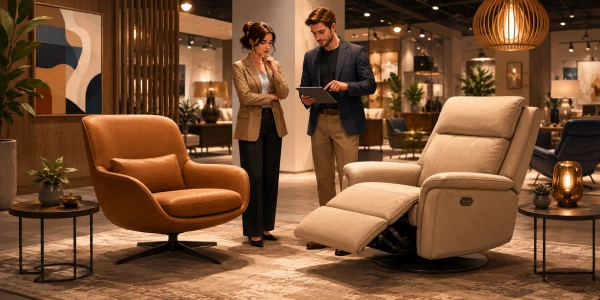
My best advice? Don’t just look at the sofa—test it. Sit down, lean back, and shift around. Ask the salesperson or check the product description for details on the seat construction. Knowing whether you’re getting a spring vs strap seat suspension or an elastic suspension system empowers you to choose a piece that will stay comfortable and supportive, making your living room a place you truly love to relax.