Why a Curved Back Matters for Ergonomics
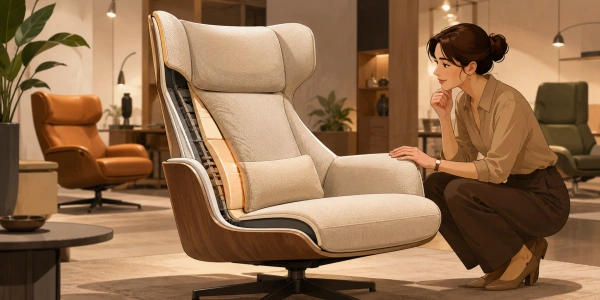
You know that feeling when you sink into a chair and it just feels *right*? That’s often the magic of a well-designed ergonomic curved back lounge chair. Unlike a flat back, a contoured backrest is crafted to mirror the natural ‘S’ shape of your spine. This isn’t just about comfort—it’s about providing active, passive, or dynamic lumbar support where you need it most. When you’re searching for the best ergonomic lounge chair guide, understanding this core principle is your first step toward better posture and less ache after a long day of reading or relaxing.
The Anatomy of Proper Support
Let’s break it down. A quality contoured back relaxation chair typically has three key zones: lumbar (lower back), thoracic (mid-back), and sometimes a slight curve for the shoulders. The lumbar curve is the star here. It gently pushes into your lower back, helping to maintain its natural inward curve and preventing you from slouching. Think of it like a supportive hand resting on your back. For a deeper dive into the science of seating posture, resources like the Occupational Safety and Health Administration (OSHA) offer great insights on why proper support is crucial.
Key Features to Look For in Your Lounge Chair
Now that we know *why* the curve is important, let’s talk about *what* to shop for. A comprehensive buying guide for curved back recliners should cover more than just shape. Here’s my friendly checklist for you:
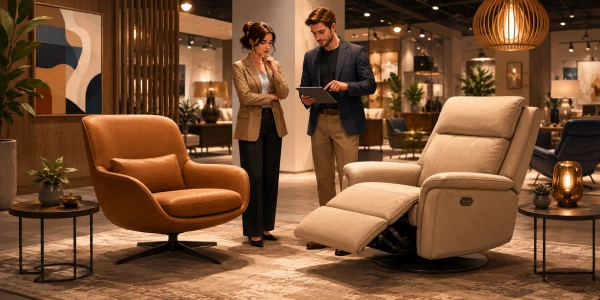
Adjustability is Your Friend: Can you tweak the reclining angle or the headrest? A chair with multiple recline positions, sometimes called a multi-position ergonomic recliner, lets you find your perfect spot for napping, reading, or watching a movie.
Seat Depth and Height: Your feet should rest flat on the floor when sitting back, with a couple of inches between the seat edge and the back of your knees. This prevents pressure on your thighs.
Armrests: Ideally, they should allow your shoulders to relax and your elbows to bend at about a 90-degree angle. Padded armrests are a bonus for long-term comfort.
Material and Build Considerations
The fabric or leather isn’t just about looks—it’s about feel and durability. Breathable mesh is fantastic for air circulation, while plush fabrics or soft leathers add a layer of cozy luxury. Pay attention to the frame, too. A sturdy hardwood or metal frame will ensure your posture-supportive lounge seating lasts for years. I always recommend checking the weight capacity to be sure it’s a good match for you.
Common Misconceptions About Lounge Chairs
When browsing for the perfect curved back chair for home office or living room, it’s easy to fall for some common myths. Let’s clear those up!
Softer is Always Better”: Not necessarily. A chair that’s too soft can lack the support your spine needs, causing you to sink into an unhealthy position. You want a balance of cushioning and firm support.
One Size Fits All”: Ergonomics is personal! A chair that works wonderfully for a friend might not be the right fit for your body. This is why looking for adjustable features in your ergonomic seating guide is so important.
Expensive Means Perfect”: While you often get what you pay for in terms of materials and durability, a higher price tag doesn’t automatically guarantee a chair will suit *you*. Focus on the features that match your needs first.
Making Your Choice: A Simple Action Plan
Ready to find your match? Here’s a simple plan. First, measure your space. That beautiful accent chair with lumbar support needs to fit! Next, make a list of your non-negotiables from the features we discussed—maybe it’s a specific recline range or a particular material.
If you can, try before you buy. Sit in the chair for at least 10-15 minutes. Notice how your back, neck, and legs feel. Does it encourage good posture? Finally, read reviews from people with similar needs or body types. A great resource for understanding quality standards in furniture is Consumer Reports, which often publishes buying guides and ratings.
Choosing your ideal ergonomic curved back lounge chair is an investment in your daily comfort and well-being. By focusing on that supportive curve, prioritizing key adjustable features, and steering clear of common myths, you’re well on your way to discovering a chair that doesn’t just look great in your home, but feels amazing for your body. Happy relaxing!