The world of modern furniture design is a vibrant conversation between art and function. In 2024, this dialogue is more exciting than ever, with trends that invite personal expression and sculptural beauty into our daily lives. Let’s explore the key movements defining today’s art furniture landscape.
Sculptural Forms Take Center Stage
Gone are the days when furniture was just a place to sit or store things. One of the most captivating current trends in art furniture is the shift towards pieces that are sculptures first and functional objects second. Think of a coffee table that looks like a polished stone riverbed, or a chair with a frame that twists like a ribbon. This movement, often linked to designer art furniture, challenges traditional silhouettes and invites us to see our living spaces as galleries. It’s about making a statement and sparking conversation.
The Rise of Organic, Fluid Shapes
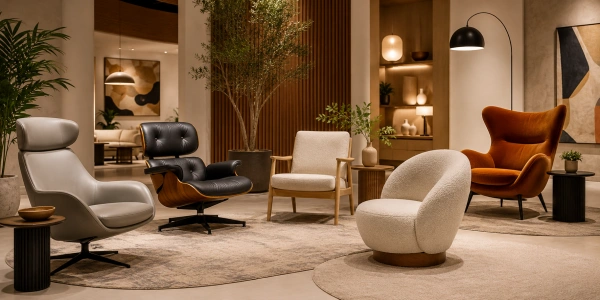
Within this sculptural trend, we’re seeing a strong preference for organic, biomorphic forms. Sharp corners are softening into curves, and rigid lines are flowing into more natural, imperfect shapes. This might remind you of the mid-century modern movement, but with a 2024 twist—it’s bolder, more exaggerated, and often uses new technologies to achieve forms that were once impossible. You can see stunning examples of this evolution in design philosophy on platforms like Dezeen, which regularly features leading contemporary furniture design.
Bold Material Innovation and Mixing
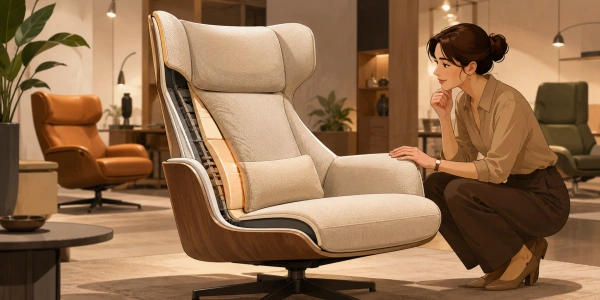
What these stunning forms are made of is equally important. The latest trends in furniture art celebrate unexpected material pairings and innovative uses of classic ones. Imagine the warmth of natural wood seamlessly joined with the cool, sleek surface of polished metal or the translucent quality of resin. Glass is being used in thicker, more substantial ways, and textiles are chosen for their dramatic, textural qualities. This mix-and-match approach adds depth and a unique personality to each piece.
Sustainable and Bio-Based Materials Shine
A key driver of material innovation is sustainability. There’s a growing love for artisanal modern furniture crafted from recycled materials, reclaimed wood, and rapidly renewable resources like cork and mycelium (that’s mushroom-based!). These materials aren’t just eco-friendly; they come with beautiful, inherent textures and stories. Choosing a piece made from reclaimed barn wood or recycled glass isn’t just a design choice—it’s a conscious one that adds soul to your home. For a deeper look at material innovation, the Museum of Modern Art (MoMA) design collection often highlights pioneering work in this area.
Expressive Color and Tactile Texture
Neutral palettes will always have their place, but 2024 is embracing color with confidence. We’re seeing rich, saturated hues—deep emerald greens, vibrant terracottas, and bold ochres—applied in bold blocks or elegant gradients. This goes hand-in-hand with a focus on texture. You might find a velvet sofa next to a rough-hewn stone side table, creating a delightful sensory experience. The trend is all about creating an emotional response and making your space feel curated and personally expressive, moving beyond basic modern artistic home decor to something more intentional.
Multifunctional Art Pieces
As living spaces evolve, so does our furniture. A major trend is the rise of pieces that are both beautiful and brilliantly adaptable. A bookshelf that doubles as a room divider, an ottoman with hidden storage, or a table that can expand and transform—these are the heroes of modern living. This trend answers the practical question of how to choose art furniture for smaller spaces without sacrificing style. The best multifunctional pieces solve a space problem so elegantly that their practicality becomes part of their artistic appeal.
Curating Your Space with Art Furniture
So, how do you bring these top art furniture trends into your own home? My best advice is to start with one statement piece you truly love. Let that be the anchor of your room. Don’t be afraid to mix periods and styles—a sleek, sculptural chair can look fantastic next to a more traditional wooden table. The key is balance. If you choose a piece with a strong form or color, you might want to keep the surrounding elements more subdued. Remember, collecting limited edition furniture design is a journey, not a race. Choose pieces that speak to you and make your home feel uniquely yours.