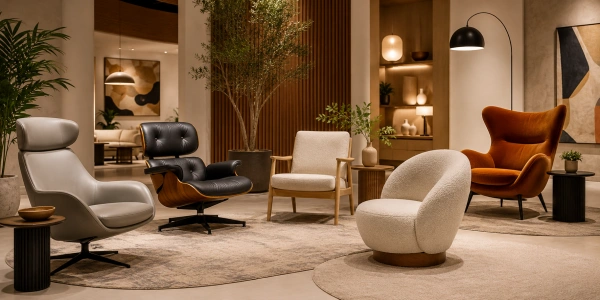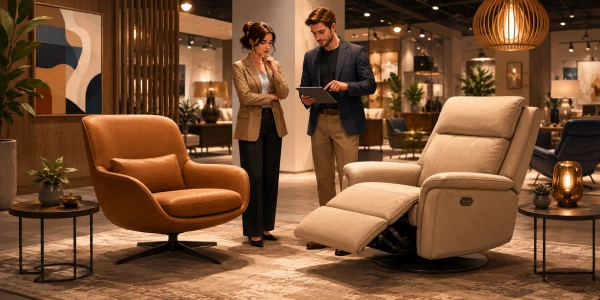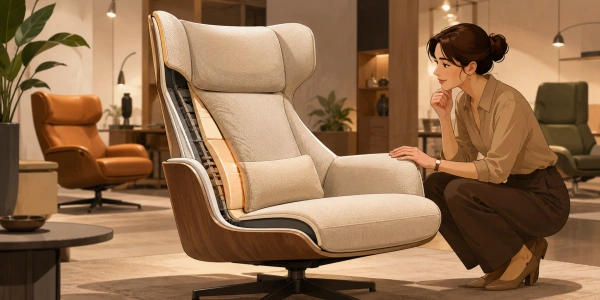
When shopping for the best fabric for lounge chairs, buyers often focus on material names like linen or polyester without considering commercial use, abrasion ratings, or swatch approval. This guide goes beyond basic cleaning codes to help you choose fabric based on real-world performance, from home relaxation to high-traffic hospitality settings. Understanding these factors ensures your lounge chair looks great and lasts for years.
Key Factors to Compare
These factors help buyers move from a general idea to a clear purchase decision. For example, comfort is affected by seat depth, seat height, back angle, foam density, and armrest position. Durability depends on frame material, leg connection, upholstery quality, stitching, and whether the chair is used at home or in a high-traffic commercial space.
- Linen blends – Natural feel but prone to wrinkling and fading in direct sunlight.
- Polyester – Durable, fade-resistant, and budget-friendly; ideal for moderate use.
- Microfiber – Soft texture with excellent stain resistance; popular for family rooms.
- Performance fabric – Engineered for high durability, water resistance, and easy cleaning.
- Cleaning code – Indicates recommended cleaning method (e.g., W for water-based, S for solvent).
- Abrasion rating – Measured in double rubs (e.g., 30,000+ for commercial use).
How to Choose the Right Option
Start with the use scenario. A living room lounge chair should match the sofa, rug, side table, and daily relaxation habits. A bedroom chair should be compact, soft, and suitable for reading or dressing. A hotel or waiting area chair should be easy to clean, stable, and consistent across bulk production.
Then check material and construction. Fabric offers warmth and many color choices. Leather and PU leather are easier to wipe and can look premium. Wood frames feel natural, while metal frames can look modern and strong. Outdoor chairs need weather-resistant materials instead of standard indoor upholstery.
Finally, evaluate value instead of only price. A cheaper lounge chair may use lower-density foam, weaker packaging, or lighter frames. For wholesale orders, ask for a sample, written specifications, MOQ, production lead time, inspection standards, and export packaging details.
Fabric Performance by Use Case
Residential Living Rooms
For daily relaxation, look for a fabric with at least 15,000 double rubs. Linen blends offer breathability but require regular vacuuming. Polyester blends resist fading and are easy to spot-clean. Performance fabrics with stain repellency are ideal for homes with children or pets.
Commercial Hospitality
Hotels and waiting areas require fabrics with 30,000+ double rubs and cleaning code W or WS. Crypton or similar performance fabrics block liquids and prevent odor absorption. Bulk orders should include a swatch approval process to ensure color and texture consistency across production runs.
Outdoor or Semi-Outdoor Spaces
Use solution-dyed acrylic or polyester with UV protection. These fabrics resist mildew, fading, and moisture. Avoid natural fibers like cotton or linen for outdoor lounge chairs. A minimum abrasion rating of 20,000 double rubs is recommended for covered patios.
Technical Specifications to Request
Abrasion Rating Explained
Abrasion rating measures how many rubs a fabric withstands before showing wear. For home use, 10,000–15,000 double rubs is sufficient. For commercial use, aim for 30,000 or higher. Always confirm the test method (e.g., Wyzenbeek or Martindale) with your supplier.
Cleaning Codes and Maintenance
Cleaning codes simplify fabric care. Code W means water-based cleaner only. Code S requires solvent-based cleaner. Code WS allows both. Code X means vacuum only. Performance fabrics often carry code WS, reducing maintenance time for busy households or commercial settings.
Buying Checklist
- Define the target room, market, or project use.
- Measure the available space and walking clearance.
- Compare seat height, seat depth, back angle, and cushion support.
- Ask for upholstery details, fabric swatches, or leather specifications.
- Check frame material, leg stability, and weight capacity.
- Confirm MOQ, sample policy, lead time, packaging, and quality inspection for bulk orders.
- Request a written specification sheet including fabric type, abrasion rating, and cleaning code.
Frequently Asked Questions
Q: What is the most important thing to check before buying?
A: The most important thing is whether the chair fits the user and the space. Comfort, proportion, material, and construction should be checked together. For the best fabric for lounge chairs, prioritize abrasion rating and cleaning code based on your usage.
Q: Is a lounge chair suitable for commercial use?
A: Yes, but commercial use requires stronger durability, easy-clean upholstery, stable frames, and consistent production quality. Look for fabrics with 30,000+ double rubs and performance coatings for high-traffic areas.
Q: Can lounge chairs be customized?
A: Many factories can customize fabric, color, chair legs, cushion firmness, labels, logo branding, and packaging. Larger structural changes may require higher MOQ and longer lead time. Always request a pre-production sample for approval.
Conclusion
A good lounge chair should look attractive, feel comfortable, fit the room, and remain durable after long-term use. For business buyers, choosing a reliable lounge chair manufacturer or supplier also improves quality control, customization, and wholesale value. Always verify fabric specifications, request swatches, and confirm abrasion ratings to ensure the best fabric for lounge chairs meets your project requirements. According to industry data, performance fabrics can last up to 50% longer than standard polyester in commercial settings, making them a smart investment for high-use environments.