Ever wondered how those gracefully curved wooden lounge chairs are made? The process of bentwood furniture making is a fascinating blend of art, science, and traditional woodworking. This guide will walk you through the core techniques and materials that transform simple wood into elegant, enduring pieces.
Mastering the Craft of Bentwood Lounge Chair Design
When you look at a classic bentwood lounge chair, you’re seeing more than just furniture; you’re witnessing a story of transformation. The art of curved wood chair construction has been captivating designers and homeowners for over a century. It all starts with a vision for a form that is both structurally sound and visually fluid. Unlike building with straight boards, creating a bentwood frame requires understanding how wood behaves under heat and pressure. It’s a bit like guiding the wood to find its new, elegant shape. I find that the most beautiful pieces feel organic, as if the wood was always meant to curve that way.
Choosing the Right Wood
Not all wood is willing to bend! The success of steam-bent furniture fabrication hinges on selecting species with long, flexible fibers. Beech and ash are the traditional favorites—they’re strong yet remarkably pliable when steamed. You might also come across oak or maple used in modern interpretations. The key is using wood that’s been properly seasoned. Green wood can be too unpredictable, while wood that’s too dry might just snap. Think of it like choosing the perfect ingredient for a recipe; the quality of the raw material defines the final outcome.
The Heart of the Process: Steam Bending Wood
This is where the magic truly happens. The technique of laminated bentwood manufacturing often begins with steaming. Wood strips are placed in a steam box for hours until the lignin (the natural “glue” in wood cells) softens. Once pliable, the wood is quickly transferred to a bending form or jig. Craftsmen then carefully clamp it into the desired curve, where it cools and dries, locking the new shape permanently. It’s a race against time and requires a confident, practiced hand. For more complex curves, some makers use a method called kerf bending, where small cuts are made on the back of the wood to allow it to flex more easily. You can see fascinating historical examples of these techniques at institutions like The Metropolitan Museum of Art’s furniture collection.
From Curves to Comfort: Assembly and Finishing
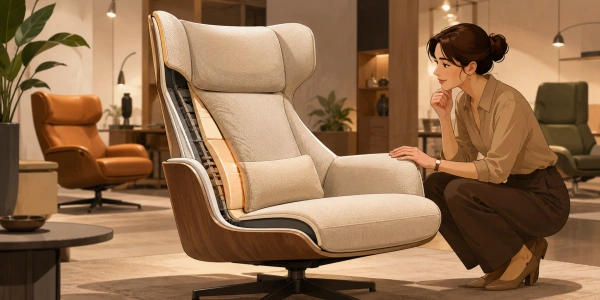
After the bent components have cured, the real lounge chair build process begins. This phase is all about precision joinery. Dowels, mortise-and-tenon joints, or even modern adhesives are used to connect the curved arms, backrest, and legs to the seat frame. The goal is to create a joint that is incredibly strong but visually minimal, so the flowing lines of the wood remain the star. It’s a bit like putting together a beautiful, three-dimensional puzzle where every piece supports the others. The seat itself might be crafted from woven cane, a shaped plywood panel, or upholstered cushions, adding the final layer of comfort to the elegant form.
The Final Protective Touches
Finishing is what brings the wood to life and protects your investment. A light sanding prepares the surface, and then a finish is applied. Many craftsmen prefer oil-based finishes that soak into the wood, enhancing the grain and providing a natural feel. Others might use lacquer for a more durable, glossy coat. The choice often depends on the chair’s intended use. For instance, a chair destined for a sunny patio might need a finish with UV inhibitors. This last step in bentwood chair production ensures your piece will look stunning for years to come.
Caring for Your Bentwood Masterpiece
So, you’ve brought a bentwood chair into your home—how do you keep it looking its best? The good news is that proper wood bending for chair making results in a very stable piece. Avoid placing it right next to intense heat sources like radiators or in direct, constant sunlight, as extreme dryness can cause the wood to contract. Dust it regularly with a soft cloth. For cleaning, a slightly damp cloth is usually all you need; avoid harsh chemical cleaners. Every so often, you can treat it with a furniture wax or refresher oil made for its specific finish. With just a little love, your chair will remain a graceful and comfortable part of your space for a very long time.