Choosing between an accent chair and a side chair can be tricky. While they might look similar at first glance, they serve very different purposes in your home. This guide will help you understand their unique roles, so you can pick the perfect chair that not only fits your space but also makes it feel more complete and inviting.
Understanding the Distinct Roles of Accent and Side Chairs
Let’s start by clearing up the confusion. I often hear friends ask, “What’s the real difference between an accent chair and a side chair?” It’s a great question! Think of it this way: one is the life of the party, and the other is a reliable supporting guest. Understanding their primary functions is the first step to making your space work beautifully for you.
What is an Accent Chair?
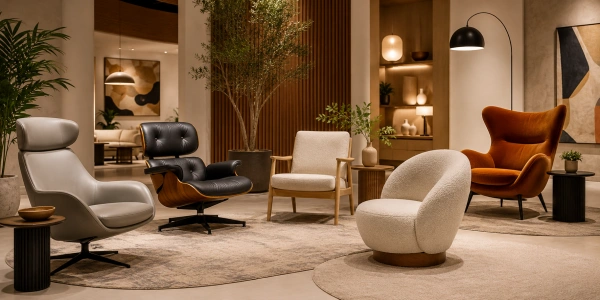
An accent chair, sometimes called a statement chair or occasional chair, is all about personality. Its main job is to add a visual “pop” to a room. You might find one in a bold color, with an interesting pattern, or a unique shape that draws the eye. It’s less about providing a primary seat and more about complementing your existing decor. For example, placing a vibrant velvet accent chair in a neutral corner instantly creates a focal point. These decorative chairs are perfect for adding that final layer of style.
What is a Side Chair?
A side chair, on the other hand, is a workhorse. You’ll also hear it called an armless chair or a dining chair. Its role is primarily functional: to provide extra, practical seating. They are often simpler in design, easier to move around, and are meant to be used regularly. You’ll typically see them tucked neatly under a dining table, lined up against a wall in an entryway, or used as a compact desk chair. Their design prioritizes utility and space-saving over making a bold decorative statement.
Key Differences: A Side-by-Side Look
Now that we know their roles, let’s compare them directly. This isn’t about which is better, but about which is better *for your specific need*. Here’s a quick breakdown:
Purpose: An accent chair is for style and occasional lounging. A side chair is for frequent, functional seating.
Design: Accent chairs are bold and decorative. Side chairs are streamlined and practical.
Placement: You place an accent chair to be seen—in a living room corner, next to a bookshelf, or flanking a fireplace. You place a side chair to be used—at a table, desk, or in a hallway.
Comfort Level: While comfort varies, accent chairs often have more padding and may include arms for a cozier feel. Side chairs are usually firmer and armless to save space and allow for easy tucking-in.
Understanding these distinctions between lounge chairs and armless chairs helps you shop with confidence.
How to Choose the Right Chair for Your Room
The best way to decide is to consider the room and how you live in it. Let’s walk through some common scenarios. I always suggest picturing your daily routine—where do you need a spot to sit versus where do you want a spot to admire?
For Your Living Room
This is the classic home for an accent chair. If you have a large sofa and need to balance the space or inject some color, a statement chair is your best friend. It can create a cozy reading nook with a floor lamp. However, if your living room is small and you frequently need extra seating for guests, a pair of sleek, upholstered side chairs can be more versatile. They can be pulled into the conversation circle when needed and stored neatly when not.
For Your Bedroom or Home Office
In a bedroom, a plush accent chair in a corner adds a luxurious touch—a perfect spot for putting on shoes or enjoying a morning coffee. For a home office, your choice depends on use. A supportive side chair or task chair is essential for your desk. But if you have space for a separate reading corner, a comfortable occasional chair makes the area more inviting. It’s all about matching the chair to the activity.
For Your Dining Room or Entryway
Here, the side chair reigns supreme. Dining chairs need to be durable, easy to clean, and fit comfortably under the table. An accent chair at a dining set, while possible, is often impractical. In an entryway or hallway, a slim side chair or bench provides a practical place to sit while putting on shoes without clogging the pathway. For more on versatile seating, you can explore ideas from reputable sources like Architectural Digest’s guide to dining chairs.
Common Mistakes to Avoid
I’ve seen a few mix-ups over the years, so let me share some friendly advice to help you steer clear of common pitfalls when comparing accent chairs versus side chairs.
First, don’t sacrifice comfort for style if you plan to use the chair often. A stunning but painfully hard accent chair will never be sat in. Second, mind the scale. A large, overstuffed accent chair can overwhelm a small room, while a dainty side chair might look lost in a spacious living area. Always measure your space! Finally, remember cohesion. Your new chair should feel like part of the room’s conversation, not an unrelated shout. Look for a color, texture, or line that ties back to your existing furniture.
Final Thoughts: Making Your Decision
So, which one fits your space best? If you’re looking to add a splash of personality and create a visual anchor, an accent chair is your answer. If you need practical, everyday seating that’s efficient and space-conscious, go for a side chair. Many homes benefit from having both—functional side chairs where you need them and a beautiful accent piece where you want a style boost. Trust your instinct about how you use the room, and you’ll find the perfect match. Happy decorating!