Measure Your Space and Think About Scale
Before you fall in love with a particular model, grab a measuring tape. You need to know exactly how much room you have for a lounge chair. A massive chaise might look amazing in a showroom, but it can overwhelm a cozy corner. Consider the chair’s footprint and how it will fit with your existing furniture. For example, a compact accent chair works wonders in a small apartment, while a spacious recliner might be perfect for a dedicated reading nook.
Getting the Proportions Right
Think about the scale of the room. A large sectional sofa might pair beautifully with a sleek, low-profile lounger, whereas a delicate side chair could get lost next to a bulky sofa. Also, leave enough walking space around the chair. You don’t want to trip over it every time you walk by. A good rule of thumb is to allow at least 18 inches of clearance on all sides. This ensures your new relaxation chair doesn’t make the space feel cramped. Remember, a well-proportioned room feels inviting, not cluttered.
Choose a Material That Matches Your Lifestyle
The material of your lounge chair determines not just its look, but also its durability and maintenance. If you have kids or pets, you might want a fabric that’s stain-resistant and easy to clean. Leather is a classic choice that ages beautifully, but it can be prone to scratches. Fabric options like microfiber or performance velvet are incredibly forgiving and come in a wide array of colors.
Fabric and Leather Options
If you love a cozy, soft feel, a plush fabric like chenille or boucle is wonderful for curling up with a book. For a more tailored look, consider a durable linen or a tightly woven cotton. Leather, on the other hand, offers a sleek, timeless appeal and is surprisingly easy to wipe down. However, it can feel cold in winter and sticky in summer. A good compromise is a fabric with a leather-like texture, such as faux leather, which offers durability without the high maintenance. Think about your daily routine and choose a material that will handle it gracefully. You can find more information on fabric durability from the Textile World guide on upholstery fabrics.
Focus on Ergonomic Support and Cushioning
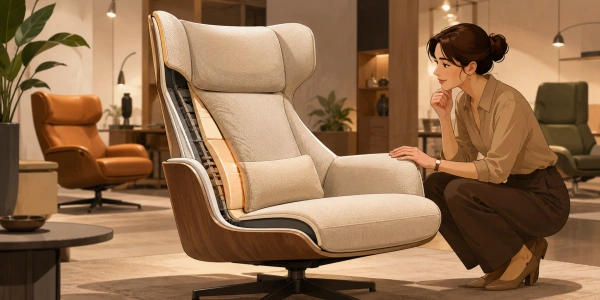
A lounge chair should be a sanctuary for your body, not just a pretty piece of furniture. Pay close attention to the cushioning and support. You want a seat that cradles you without being too soft or too firm. High-density foam is a great choice because it retains its shape and provides consistent support over time. Don’t be afraid to sit in a chair for at least 10 minutes in the store to see how it feels.
The Importance of Lumbar Support
One of the most critical aspects of comfort is lumbar support. A good lounge chair should support the natural curve of your lower back, preventing that achy feeling after a long sit. Some chairs come with built-in lumbar support, while others require an extra cushion. For instance, an ergonomic armchair often has a contoured backrest that aligns perfectly with your spine. If you are considering a reclining lounge chair, test the recline positions to see if the support shifts with your body. Your back will thank you later. You might find that a chair with adjustable headrest or ottoman adds an extra layer of relaxation.
Pick a Style That Complements Your Decor
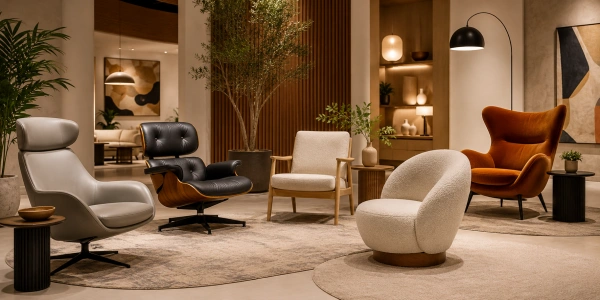
Your lounge chair should feel like a natural part of your home, not an afterthought. Think about the overall aesthetic of your room. Are you going for a minimalist vibe, a cozy farmhouse look, or something more modern? The style of your chair can tie the whole room together. A mid-century modern accent chair with tapered legs can add a retro touch, while a tufted wingback chair brings classic elegance.
From Mid-Century to Modern
If your decor is contemporary, look for clean lines and neutral colors. A sleek, low-back lounger in a charcoal grey or beige can blend seamlessly. For a more eclectic space, consider a bold patterned fabric or a bright color. A velvet accent chair in emerald green or sapphire blue can become a stunning focal point. Don’t forget about the base. A wooden base adds warmth, while a metal base gives a more industrial feel. The key is to choose a piece that sparks joy every time you see it. For example, a friend of mine found a beautiful rattan lounge chair that perfectly matched her bohemian living room, and it instantly became her favorite reading spot.
Test the Recline Mechanism and Seat Depth
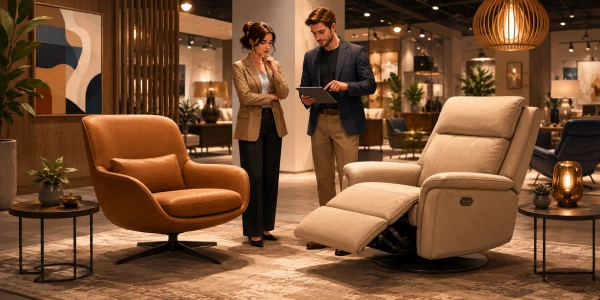
If you are considering a reclining lounge chair, the mechanism is just as important as the cushion. A smooth, quiet recline is a sign of quality. Test it multiple times to ensure it operates without any jerky movements. Also, pay attention to the seat depth. A deep seat can be great for tall people who want to stretch out, but it might be uncomfortable for shorter individuals who need their feet to touch the floor.
Finding Your Perfect Recline Angle
Some recliners offer multiple positions, from a gentle lean to a full flat position. Think about how you plan to use the chair. If you love watching movies, a chair that reclines to a near-flat position is ideal. If you just want to read or nap, a simple tilt mechanism might be enough. Also, consider the footrest. A smooth, integrated footrest is more comfortable than a separate ottoman for some. Always sit in the chair with your shoes off to get a true sense of the fit. You can also check reviews from other users to see how the mechanism holds up over time. A well-made recliner can last for decades, so it’s worth investing in a quality piece.