Ever wondered why some lounge chairs feel like a cloud while others leave you aching? The secret often lies not in the cushioning alone, but in the chair’s fundamental shape. This article explores how the geometry and curves of a lounge chair directly impact your posture, pressure distribution, and overall sense of relaxation, guiding you toward the perfect seat for your body.
The Role of Form in Ergonomic Seating and Support
Let’s talk about the foundation of comfort. When we think about what makes a lounge chair comfortable, our minds often jump to plush cushions. But I’ve found that the underlying contour of a chair is the real hero. It’s the shape that dictates how your spine aligns, where your weight settles, and whether you can truly unwind. A well-designed form provides ergonomic support by mirroring the natural curves of your body, reducing strain on your lower back and neck. Think of it like a custom-made shoe versus a generic one—the right fit makes all the difference in how you feel after hours of use.
Key Shape Elements That Make a Difference
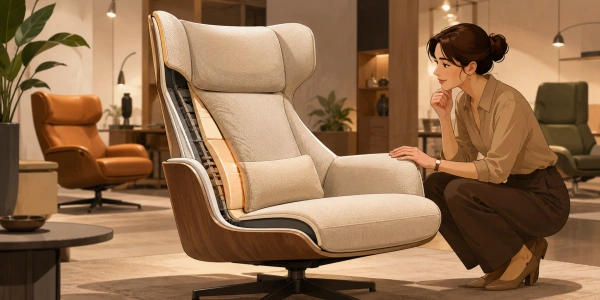
So, what specific aspects of a chair’s geometry should you look for? First, consider the seat pan curvature. A slight inward curve or “waterfall” front prevents pressure on the backs of your thighs, promoting better circulation. Next, the lumbar support curve is crucial. It should gently fill the space in your lower back to maintain its natural inward curve. Finally, pay attention to the backrest recline angle and the armrest height and position. These elements work together to create a supportive cradle. For a deeper dive into ergonomic principles, resources like the Humanscale ergonomics guide offer excellent insights on how design impacts well-being.
Lounge Chair Shapes Designed for Different Types of Relaxation
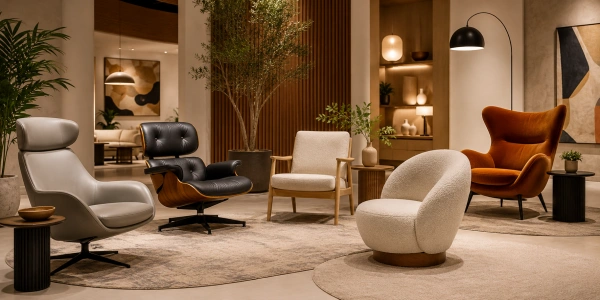
Not all relaxation is created equal, and neither are lounge chairs! The design of a recliner can be tailored for different activities. A deep, enveloping shell chair with high sides is perfect for curling up with a book, offering a cozy, secure feeling. In contrast, a chair with a more open, sweeping form encourages social interaction and easier movement. The influence of chair contour on posture is key here. For instance, a chair designed for napping will have a more pronounced recline to distribute weight evenly, while a chair for focused reading might offer more upright support. It’s all about matching the chair’s purpose to your preferred way to unwind.
Reclined vs. Upright: Choosing Your Angle
This is a common dilemma. A heavily reclined position, like in a classic mid-century modern lounge chair, is fantastic for total relaxation and relieving spinal disc pressure. However, if you need to get up frequently or enjoy a drink while seated, a moderate recline might be more practical. An upright chair with a supportive back, sometimes called an “accent chair,” is better for conversations or shorter sits. My advice? Imagine your typical use. Do you sink in for a movie marathon, or do you perch for a quick chat? Your answer will guide you to the right seat geometry for comfort.
Common Mistakes When Evaluating Chair Form
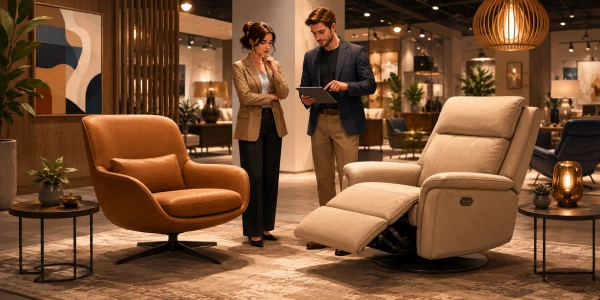
I see this all the time—people get swayed by looks alone. One big mistake is prioritizing style over the ergonomics of lounge chair design. A chair might be a stunning sculptural piece, but if its back is too straight or its seat too deep for your height, you’ll regret it. Another pitfall is only testing a chair for 30 seconds in a showroom. True comfort reveals itself over time. Don’t forget to check how the chair structure affects comfort at the edges; sharp or poorly padded armrests can become uncomfortable. Remember, the most beautiful chair in the world won’t bring you joy if it doesn’t feel right.
Finding Your Perfect Fit: A Practical Guide
Ready to find your throne? Here’s a simple approach. First, always sit in a chair before you buy. Pay attention to how the curve of the backrest meets your spine—there should be no gaping space or pushing. Second, consider your body proportions. The relationship between seat depth and comfort is personal; your knees should be comfortably bent with your back fully supported. Finally, think about movement. Does the chair allow you to shift positions easily? For authoritative information on furniture standards and safety, you can refer to guidelines from organizations like BIFMA. Ultimately, the best chair is one whose shape feels like a natural extension of your need for rest, making the connection between lounge chair anatomy and relaxation perfectly clear.