Creating a truly premium indoor seating area is about more than just buying expensive furniture. It’s a deliberate design language that speaks to comfort, aesthetics, and atmosphere. This guide will walk you through the five foundational secrets that define high-end interior seating design, helping you craft a space that feels both luxurious and inviting.
- 1. Unlocking the Core Principles of Elevated Interior Seating
- 2. Secret One: The Unspoken Power of Proportions and Flow
- 3. Secret Two: Material Mastery and Tactile Texture
- 4. Secret Three: A Cohesive Color and Light Narrative
- 5. Secret Four: Intentional Asymmetry and Focal Points
- 6. Secret Five: The Art of Layering for Depth and Personality
- 7. Bringing the Design Language Home: Your Next Steps
Unlocking the Core Principles of Elevated Interior Seating
When we talk about a premium seating design language, we’re really discussing a set of visual and sensory rules that create a specific feeling. Think of it like the grammar of a beautiful sentence—each element has its place and purpose. This approach to luxury interior furniture arrangement isn’t just for hotels or high-end offices; it’s a philosophy you can bring into your own living room. The goal is to move beyond mere function and create an experience, a space that feels considered, comfortable, and uniquely yours.
Secret One: The Unspoken Power of Proportions and Flow
The first secret lies in how furniture relates to the space and to the people in it. A common mistake is filling a room with pieces that are either too large, making it feel cramped, or too small, leaving it feeling sparse and impersonal. Premium design gets this balance just right. It’s about creating clear pathways (what designers often call “traffic flow”) so movement feels natural and unhindered. A great question to ask is, “Can two people walk past each other comfortably?” If the answer is no, you might need to rethink your layout. For deeper insights into spatial planning fundamentals, the ArchDaily website is a fantastic resource for architectural principles.
Designing for the Human Scale
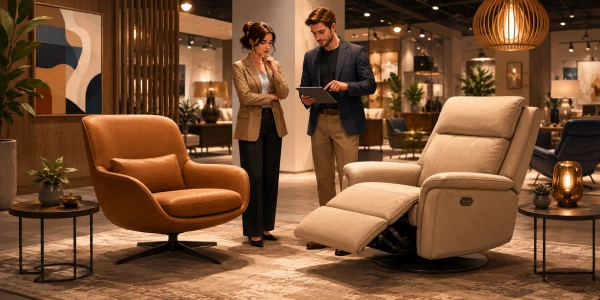
This is where ergonomic seating design meets aesthetics. Seat height, depth, and the height of armrests should feel instinctively right. A sofa that’s too deep might look plush, but if your feet don’t touch the ground comfortably, it defeats the purpose of refined residential seating concepts. Always consider the primary users. For example, a lower, deeper sectional might be perfect for a family movie room, while a firmer, higher-seated chair is better for a conversational setting.
Secret Two: Material Mastery and Tactile Texture
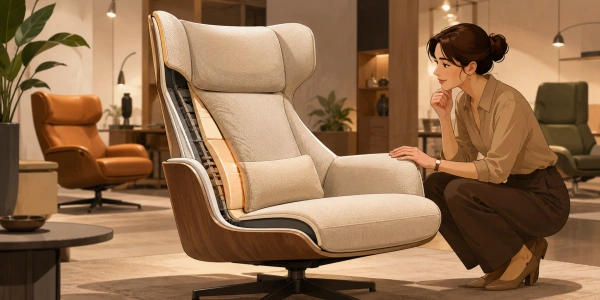
Close your eyes and run your hand over a truly premium seat. What do you feel? It’s never just one thing. The magic is in the combination—the soft give of a down-filled cushion, the cool smoothness of a marble side table, the nubby interest of a wool throw. This tactile layering is crucial. When selecting materials for your high-end lounge furniture style, think about durability and feel. A top-grain leather will develop a beautiful patina, while a performance velvet can offer luxury with practicality. Mixing materials like wood, metal, fabric, and stone prevents a space from feeling flat and adds a rich, sensory dimension that defines sophisticated seating solutions.
Secret Three: A Cohesive Color and Light Narrative
Color in premium design is rarely loud or overwhelming. It’s often a curated palette of neutrals, deep tones, or muted hues that work in harmony. This doesn’t mean it’s boring! A monochromatic scheme using varying textures can be incredibly powerful. The real secret weapon, however, is light. How does natural light interact with your fabrics during the day? Where do shadows fall? In the evening, a layered lighting plan is non-negotiable. Combine ambient lighting (like ceiling fixtures), task lighting (a floor lamp for reading), and accent lighting (a small spotlight on art) to create mood and highlight your bespoke seating arrangements. This interplay is what makes a room feel dynamic and alive at all hours.
Secret Four: Intentional Asymmetry and Focal Points
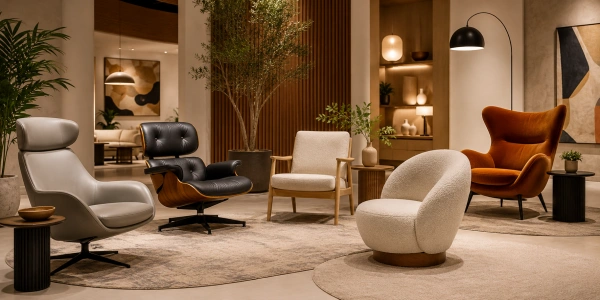
Perfect symmetry can sometimes feel static, like a museum display. Premium design often embraces intentional, balanced asymmetry to create visual interest and a more relaxed elegance. Instead of placing two identical sofas directly opposite each other, try a sofa with two different-but-complementary chairs on the other side. This creates a more conversational and engaging setup. Every seating area should also have a clear focal point—it could be a fireplace, a stunning piece of art, or even a beautiful view through a window. Arrange your furniture to acknowledge and frame this point. This principle of curated interior seating aesthetics guides the eye and gives the space a clear purpose.
Secret Five: The Art of Layering for Depth and Personality
The final secret is what makes a space feel lived-in and personal: layering. This goes beyond throw pillows (though they help!). It’s about the accumulation of elements over time. Think of a vintage rug under a modern sofa, a stack of art books on a side table, a handmade ceramic vase. These layers tell a story. They add the “soul” to the design language for upscale seating areas. Don’t try to buy all these layers at once. Let them accumulate naturally through travels, finds, and heirlooms. This approach ensures your space reflects a true premium residential seating philosophy that is unique to you, not a showroom replica.
Bringing the Design Language Home: Your Next Steps
So, how do you start applying these secrets of contemporary premium seating design? My friendly advice is to begin with one corner of one room. Assess the proportions and flow. Feel the materials. Observe the light. Don’t be afraid to move things around—the best design is often discovered through experimentation. Remember, creating a beautiful indoor seating design language is a journey, not a destination. It’s about crafting an environment that not only looks impressive but truly feels like a sanctuary for you and your guests. Start with one secret, master it, and then move on to the next. Your perfect space is waiting to be composed.