Choosing a premium armchair is an investment in comfort and style. But what truly makes it last for generations? The secret lies in its frame. This guide explores the five essential factors that determine the longevity and resilience of a high-quality armchair frame, helping you make an informed choice for your home.
The Foundation: Frame Material & Construction
Let’s start with the bones of your chair. When we talk about armchair frame durability, the choice of material is the single most important decision. You might find cheaper options using softwoods or engineered boards, but for a truly resilient frame, hardwoods are the undisputed champions. Think of it like building a house—you wouldn’t use cardboard for the foundation, right? The same principle applies here. The construction methods used to assemble these materials are equally critical, turning good wood into a great, long-lasting frame.
Why Hardwood is the Gold Standard
Hardwoods like oak, maple, ash, and beech are dense and strong, naturally resisting warping and cracking over time. They handle the daily stress of sitting and reclining much better than softer woods or particle board. A friend of mine once bought a beautiful-looking chair that started squeaking and wobbling within a year; turns out, the frame was made of pine, which just couldn’t hold up. For premium armchair construction, a solid hardwood frame isn’t just a feature—it’s a necessity for ensuring your chair remains sturdy and silent.
The Art of Joinery: Beyond Staples and Glue
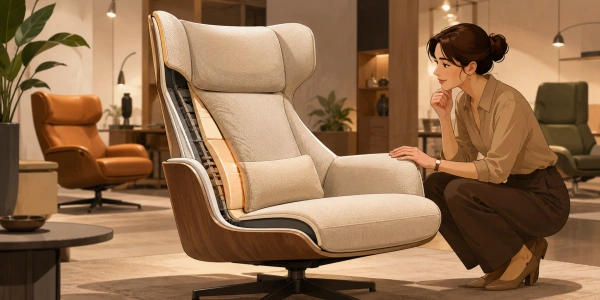
How the frame is put together tells you everything about its quality. Look for techniques like double-doweled joints, mortise-and-tenon, or corner-blocking. These methods create a mechanical lock between pieces, distributing weight and force evenly. They’re far superior to just using staples, nails, or glue alone. I always recommend giving a chair a gentle wiggle test in the store. If it feels rigid and creak-free, that’s a good sign of superior frame joinery techniques. For more on traditional woodworking methods, you can read this resource from The Wood Database.
Engineered for Endurance: Design & Engineering
A durable chair isn’t just strong wood; it’s smart wood. The engineering of chair frames involves calculating stress points and designing the structure to support human weight dynamically. This means considering the angle of the back, the support under the seat, and the reinforcement of the arms. A well-engineered frame will often have additional supports in high-stress areas, ensuring the entire structure works in harmony. It’s the difference between a simple stool and an ergonomic throne built for decades of use.
The Protective Shield: Finishes & Treatments
Even the best wood needs protection from the world. The right finish does more than make the frame look nice; it seals the wood from moisture, which can cause swelling and rot, and protects it from minor scratches and UV fading. When evaluating factors for long-lasting furniture frames, ask about the finish. Is it a durable lacquer, a hardwearing oil, or a protective stain? A quality finish acts like an invisible shield, preserving the integrity of the wood underneath and contributing significantly to the overall armchair structural integrity.
Built to Bear: Weight Capacity & Stress Points
We all use our chairs differently, and a premium frame is designed with real life in mind. A reputable manufacturer will test and provide a weight rating that accounts for not just static weight, but the dynamic force of someone sitting down. Pay attention to how the chair frame stress points—like where the legs meet the seat or the back connects—are reinforced. A chair that boasts a high, tested weight capacity is telling you it has a robust skeleton designed for everyday resilience, not just occasional use.
The Human Touch: Craftsmanship & Quality Assurance
Finally, we come to the element that ties everything together: human skill. The quality of armchair framing shines through in the details—sanding smoothness, joint precision, and the consistency of the finish. This level of craftsmanship in furniture making ensures that the strong materials and smart design are executed flawlessly. It’s the careful hand-sanding that prevents splinters and the meticulous inspection that catches any weakness before the chair leaves the workshop. This human oversight is what transforms assembled parts into a heirloom-quality piece.
So, there you have it! By focusing on these five key areas—premium materials, solid construction, intelligent design, protective finishes, and skilled craftsmanship—you can confidently choose an armchair whose frame is built to last. Remember, a truly durable chair is a joy for years to come, becoming a beloved part of your home’s story. Happy sitting!