Finding the perfect cushioning for your premium armchair is key to unlocking true comfort. This guide explores how padding thickness, density, and material work together to create the ideal seat for relaxation and style.
Why Armchair Cushion Thickness Matters
When you sink into a high-end armchair, the first thing you notice is the cushioning. It’s that initial feeling of support and softness that tells you this is a special piece. The thickness of premium armchair padding isn’t just about a number; it’s the foundation of your comfort. Too thin, and you might feel the frame. Too thick, and you could lose the supportive structure you need. It’s about creating a balance where the cushioning depth allows you to relax completely while maintaining the chair’s elegant silhouette.
Finding the Goldilocks Zone
So, what is the ideal cushion density for luxury chairs? Think of it like your mattress. You want enough plushness to cradle you, but not so much that you sink in and struggle to get up. For most premium armchairs, seat cushion thickness typically ranges from 4 to 8 inches. A 5 to 6-inch cushion with a high-density core is often the sweet spot—it provides substantial comfort without looking overly bulky. For the back cushions, a slightly thinner profile, say 3 to 5 inches, can offer better lumbar support. Remember, the best armchair seat cushion depth for you depends on how you plan to use the chair. Is it for long reading sessions, or more for occasional decorative seating?
Looking Beyond the Inch: Density and Fill
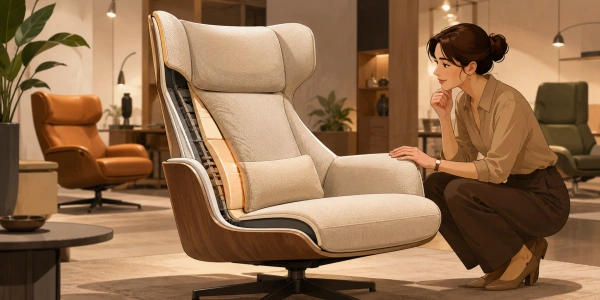
Here’s a little secret from the world of furniture design: thickness alone doesn’t tell the whole story. You must consider what’s inside. This is where terms like high-resiliency (HR) foam come into play. Density—measured in pounds per cubic foot—is crucial. A 4-inch cushion made with high-density foam will often feel more supportive and last longer than a 6-inch cushion made with low-density foam that compresses quickly. For the ultimate in comfort, many top-tier chairs use a layered approach. You might find a firm, supportive base foam topped with a softer, plush layer of down or down alternative. This combination addresses the key question of how thick should armchair cushions be by providing both structure and cloud-like softness.
How Upholstery Material Makes a Difference
The fabric or leather covering your chair plays a bigger role in comfort than you might think! A tight, stiff leather will feel very different over the same padding compared to a soft, supple velvet or a textured chenille. The upholstery material can either give with the cushion or restrain it. For instance, a thick cushion wrapped in a non-stretch fabric might feel firmer. When you’re shopping, press down on the cushion and notice how the covering moves. Does it feel inviting? This interaction between the outer material and the internal premium chair cushioning is what creates the final, tactile experience of luxury.
Your Personal Guide to Testing Comfort
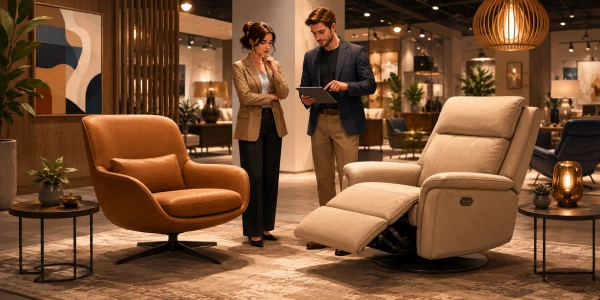
My best advice? Treat chair shopping like shoe shopping. You have to try it on. When you visit a showroom, please, take a seat. Don’t just perch on the edge—sit back as you would at home. Spend a few minutes. Notice if the seat cushion thickness allows your feet to rest flat on the floor comfortably. Does the back cushion support the curve of your spine? A good test is to see how easy it is to get out of the chair. If you have to push yourself up with your arms, the cushioning might be too deep or too soft for daily use. Asking about the foam density for premium seating and the fill materials shows you’re an informed buyer and helps you find a chair that won’t sag after a year.
Common Myths About Chair Padding
Let’s clear up a few misconceptions. First, the myth of “the thicker, the better.” As we’ve discussed, a thick, low-quality cushion will flatten quickly, leaving you with a shapeless seat. Second, some believe that firm always equals supportive. Not quite! A chair can be firm and uncomfortable if it doesn’t contour to your body. True support comes from the right combination of thickness, density, and fill. Lastly, don’t assume all cushions are created equal. The construction of high-end armchair cushions often involves hand-tied springs, layered fills, and channeled backs, which all contribute more to comfort and longevity than thickness alone. For more on furniture construction standards, you can read this resource from the ASTM International.
In the end, discovering your ideal premium armchair padding thickness is a personal journey. It blends measurable factors like inches and foam density with your own sense of comfort and style. Look beyond the surface, ask questions about what’s inside, and always trust how the chair makes *you* feel. After all, your perfect armchair isn’t just furniture; it’s your personal retreat for relaxation.