Welcome to your go-to guide on asymmetrical chair design! We’ll explore what makes these pieces so captivating, from their artistic value to practical tips for using them in your home. You’ll learn how to balance their bold look and create a space that feels both dynamic and comfortable.
What is Asymmetrical Design?
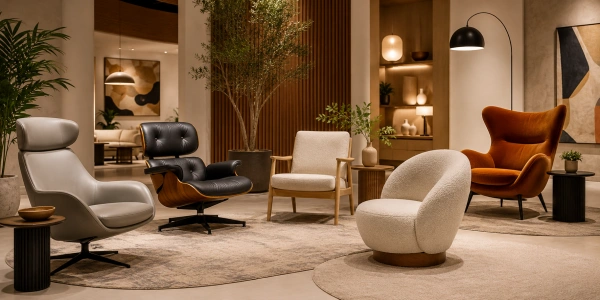
Let’s start with the basics. When we talk about asymmetrical seating or unbalanced chair design, we’re referring to pieces that aren’t the same on both sides. Unlike a traditional armchair, an irregular silhouette chair might have one armrest higher than the other, an off-center back, or a uniquely angled base. It’s a deliberate break from symmetry that creates visual interest and movement. Think of it like a modern sculpture you can actually sit on!
The Principles Behind the Form
This style isn’t random; it’s guided by core design principles. The goal is dynamic equilibrium—achieving balance through contrast rather than mirroring. Designers might use different shapes, weights, or lines on each side to create a sense of organized tension. It’s a key concept in contemporary furniture design that challenges conventional forms. For a deeper dive into these artistic foundations, you can explore resources from institutions like the Museum of Modern Art, which often features pioneering asymmetric works.
Why Choose an Asymmetrical Chair?
So, what’s the real appeal? First, an avant-garde chair style becomes an instant focal point. It adds a layer of sophistication and personality that a standard chair simply can’t. Second, it encourages you to think differently about space. A well-placed sculptural seating piece can break up the monotony of a room and make the entire layout feel more intentional and curated. Finally, it’s a statement about your taste—it shows you appreciate bold, conversational design.
How to Style Your Asymmetrical Chair
You’ve fallen in love with a piece, now what? The key to mastering asymmetrical chair styling is thoughtful placement. Don’t worry, it’s easier than it looks! The main idea is to let the chair shine without letting it overwhelm the room.
Finding the Right Spot
I always suggest starting in a corner of a living room, at the end of a bed, or in a reading nook. These spots allow the chair’s unique form to be appreciated from multiple angles. For example, placing a chair with a dramatic, sweeping back in an empty corner turns that corner into a mini art installation. It answers the common search for how to incorporate statement furniture seamlessly.
Pairing with Other Furniture
Balance is crucial. Pair your standout chair with simpler, more grounded furniture. A sleek, solid-colored sofa or a minimalist table can provide the visual “rest” needed. Think of it as a conversation: your asymmetrical chair is the passionate speaker, and the other pieces are the attentive listeners. This approach is central to any good guide to modern interior design.
Common Misconceptions to Avoid
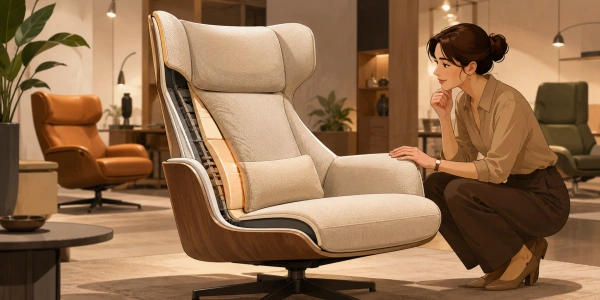
A big myth is that unconventional chair designs are uncomfortable. While some are artistic first, many are ergonomically crafted for support. Another misconception is that they only suit ultra-modern spaces. Actually, a single asymmetrical chair can add a wonderful eclectic twist to a more traditional room, creating a layered, collected-over-time look. Don’t be afraid to mix styles!
Bringing It All Together
Embracing asymmetrical chair design is about more than just furniture; it’s about embracing creativity and confidence in your decor. Start by understanding its dynamic principles, appreciate its value as a focal point, and style it with complementary pieces. Remember, the best interiors tell a story, and an asymmetrical chair can be a captivating chapter. For further inspiration on material and construction quality, checking trusted sources like ArchDaily can be incredibly helpful. Now go forth and create a space that’s uniquely, wonderfully yours!