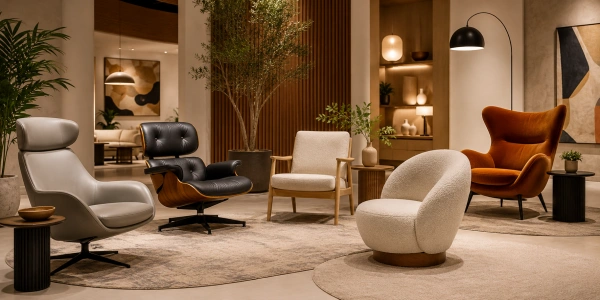
Avant garde lounge chairs are more than just seats; they’re sculptural statements that challenge traditional design. This guide explores seven groundbreaking styles that merge radical aesthetics with surprising comfort, perfect for elevating your living space.
What is Avant Garde Furniture Design?
When we talk about avant garde lounge chair style, we’re diving into the world of furniture that dares to be different. Think of it as the art world’s experimental cousin—it’s all about pushing boundaries, using unconventional forms, and sparking conversation. Unlike classic armchairs, these pieces often prioritize artistic expression and conceptual ideas, yet the best ones never forget their core mission: to provide a unique and comfortable place to rest. You might find yourself drawn to a chair that looks like a frozen wave or a geometric puzzle; that’s the magic of progressive lounge seating at work.
Beyond Aesthetics: The Philosophy
It’s easy to think these chairs are just for show, but there’s a deeper philosophy. This experimental chair design movement often challenges our very idea of what furniture should be. Is a chair just for sitting? Or can it be a centerpiece that influences the energy of a room? Designers in this space play with perception, material, and function. For a deeper look into the history and principles of this movement, resources like the Museum of Modern Art’s architecture and design collection offer fantastic insights. The goal isn’t just to be different, but to create an experience that feels both new and personally resonant.
7 Avant Garde Lounge Chair Styles to Know
Ready to explore? Here are seven distinct contemporary lounge chair aesthetics that are redefining comfort with their bold personalities. Each one offers a different way to bring artistic flair into your home.
The Organic Sculptural Chair
Inspired by nature, these chairs seem to grow from the floor. They feature flowing, curvilinear lines that mimic organic shapes—think of a shell, a pebble, or a gentle hill. The comfort here is often enveloping, as the chair’s form cradles you. It’s a perfect choice if you’re searching for a unique lounge chair design that feels both calming and artistic. Imagine curling up with a book in a chair that feels like a personal cocoon.
The Geometric Abstract Chair
This is where art meets mathematics. Chairs in this style use sharp angles, clean lines, and distinct geometric forms like cubes, triangles, or intersecting planes. They create a striking visual tension in a room. Don’t let the hard lines fool you; many are expertly engineered with plush cushions or ergonomic tilts for support. This style answers the search for a modern avant garde armchair that makes a definitive, architectural statement.
The Deconstructed Form Chair
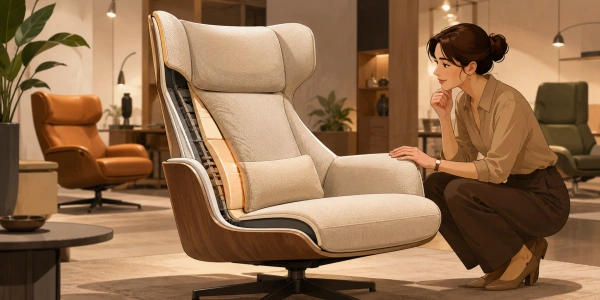
These chairs playfully question traditional structure. You might see exposed frameworks, cushions that appear to float separately from the base, or elements that look intentionally unfinished. It’s a bold, intellectual style that invites you to see the “how” behind the chair. The comfort is often found in the deliberate placement of support, making it a fascinating piece of cutting-edge seating furniture.
The Kinetic & Interactive Chair
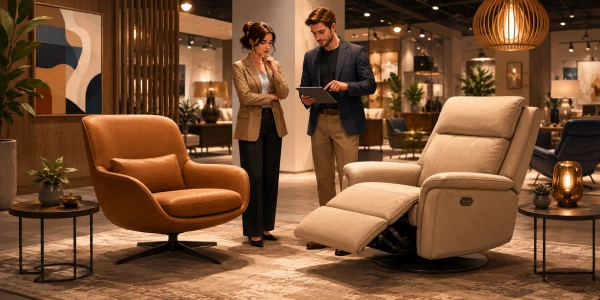
Why should a chair be static? Some innovative lounge chair concepts incorporate movement or require user interaction. This could mean a seat that gently rocks on a curved base, sections that rotate, or modular pieces you can rearrange. The comfort is dynamic and engaging, turning the simple act of sitting into a more active experience. It’s like having a functional sculpture you can play with.
The Monolithic & Bold Chair
These are the statement-makers. Often crafted from a single, bold material or featuring a uniform, blocky color, they command attention through sheer presence and scale. A monolithic chair becomes the anchor of a room. Comfort is achieved through deep seats, generous proportions, and plush upholstery hidden within a formidable exterior. It’s the ultimate expression of a bold statement lounge chair.
The Biomorphic & Flowing Chair
Similar to organic but more fluid and surreal, biomorphic designs reference living, amoebic shapes. They lack hard edges, favoring soft, undulating forms that seem almost liquid. Sinking into one of these feels uniquely supportive, as the chair conforms to a more natural posture. This style is a top pick for those interested in artistic lounge chair styles that feel futuristic yet inherently comfortable.
The Hybrid Material Chair
This is where material innovation shines. Designers combine unexpected elements like warm wood with cool polished metal, transparent acrylic with soft wool, or rigid concrete with supple leather. The contrast creates visual interest and tactile delight. Exploring the material archives at institutions like the Cooper Hewitt, Smithsonian Design Museum can show you how material choice drives experimental chair design. The comfort comes from both the feel of the materials and the surprise of their combination.
How to Choose the Right Chair for You
With so many stunning options, how do you pick? First, consider your space. A large monolithic chair needs room to breathe, while a geometric piece can define a corner. Next, think about your comfort non-negotiables. Do you love to lounge deep, or prefer more upright support? Finally, listen to your gut reaction. The right avant garde lounge chair style should not only wow you but also whisper an invitation to sit down and stay awhile. It’s less about following trends and more about finding a piece that speaks to your personal story.
Conclusion: Embrace the Unconventional
Venturing into the world of progressive lounge seating is an exciting way to infuse your home with personality and art. These seven styles show that comfort doesn’t have to be conventional. It can be sculptural, interactive, bold, and deeply personal. Whether you’re drawn to the organic flow or the geometric precision, choosing an avant garde chair is about celebrating innovation and creating a space that truly reflects your unique vision. So go ahead, redefine what comfort means to you.