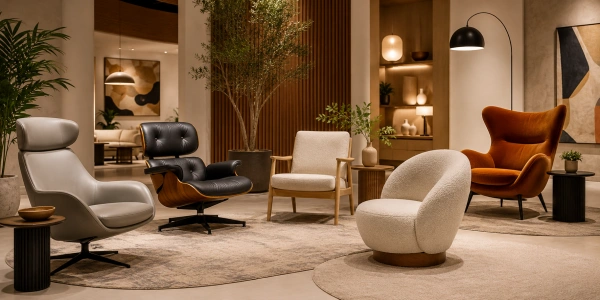
The mid-century modern lounge chair trend is more than a passing fad; it’s a design movement that has firmly re-established itself in contemporary homes. This article explores why these iconic pieces, from the classic Eames Lounge to more accessible reproductions, continue to captivate us with their timeless blend of form, function, and comfort.
The Enduring Allure of Mid-Century Modern Lounge Chairs
Have you ever walked into a room and immediately been drawn to a chair? Not just any chair, but one with clean lines, warm wood, and a silhouette that just looks… right? That’s the magic of the mid century modern chair trend. It’s not about filling a space; it’s about creating a focal point that feels both nostalgic and strikingly current. I think we’re all craving a bit of that post-war optimism and thoughtful craftsmanship in our lives today.
Where Beauty Meets Comfort
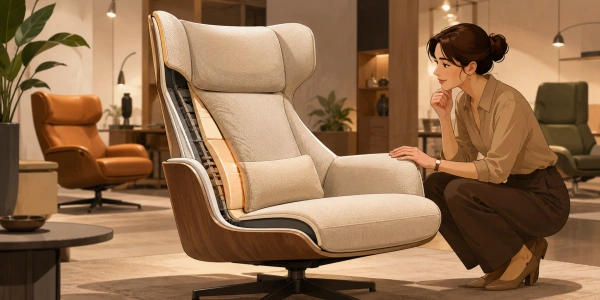
This isn’t a case of style over substance. The genius of MCM lounge chairs lies in their ergonomic design. Designers like Charles and Ray Eames and Hans Wegner were obsessed with how the human body interacts with furniture. They pioneered molded plywood, used generous cushions, and created angles that support you perfectly. So, when you sink into a genuine or well-made reproduction lounge chair, you’re experiencing decades of design thinking aimed at pure relaxation. It’s a chair that asks you to stay awhile.
A Versatile Design Statement
One reason this retro lounge chair revival is so powerful is its incredible versatility. Whether your home leans toward minimalist Scandinavian, cozy boho, or even industrial loft, a mid-century modern accent chair can bridge the gap. Its organic shapes soften modern spaces, and its structured look adds definition to eclectic rooms. It’s the ultimate chameleon of interior design. Looking for how to style a mid century chair? Try pairing a leather version with a textured throw and a sleek floor lamp for an instant reading nook.
How to Choose the Right Mid-Century Chair for You
With so many options, from iconic vintage modern furniture finds to new interpretations, choosing can feel overwhelming. Let’s break it down. Think of it less as shopping and more as finding a new friend for your living room—one that needs to fit in just right.
Key Features to Look For
When you’re evaluating a chair, keep the hallmarks of mid-century modern design style in mind. Look for tapered wooden legs (often in walnut or teak), an exposed frame, and geometric yet fluid lines. Upholstery is key: leather offers a classic, rich look, while wool or bouclé fabrics can make the style feel softer and more contemporary. Don’t forget to check the dimensions! A common question is about mid century chair dimensions—they are often lower to the ground than modern recliners, promoting a laid-back posture.
Making It Fit Your Space
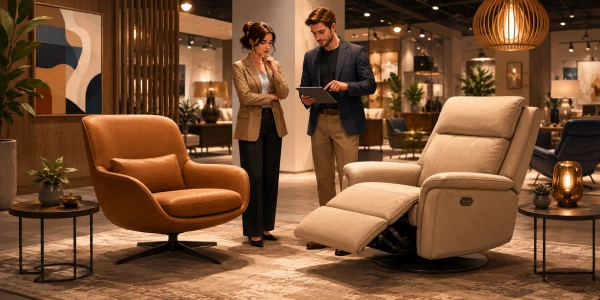
Consider how you live. Do you need a statement piece for a corner, or a pair of accent chairs to flank a fireplace? Measure your space carefully, remembering to account for the chair’s “sitting space” and the room needed to recline or swivel if it has those functions. For smaller rooms, look for chairs with a more compact profile or raised legs that create a sense of visual lightness. Resources like the Architectural Digest guide to mid-century furniture offer great visual examples of scale and placement.
Clearing Up Common Misconceptions
I often hear a couple of myths about this trend that we should clear up. First, that mid-century modern lounge chairs are always incredibly expensive. While an original Eames is an investment, the beauty of this 20th century furniture revival is the wide range of accessible, high-quality reproductions and inspired designs available today. Second, that they’re uncomfortable or purely aesthetic. As we talked about, their comfort is legendary! The best ones are designed to be lived in, not just looked at.
Bringing the Trend Home: Our Final Thoughts
So, why is the mid-century modern lounge chair trend taking over? It’s simple, really. In a world of fast furniture and fleeting trends, these chairs represent enduring quality, intelligent design, and timeless style. They tell a story. Whether you’re drawn to the history, the unmistakable silhouette, or the promise of deep comfort, bringing one into your home is about more than seating—it’s about embracing a piece of design history that still feels wonderfully relevant. Start by identifying the look you love, measure your space, and get ready to add a seat that will be cherished for years to come.