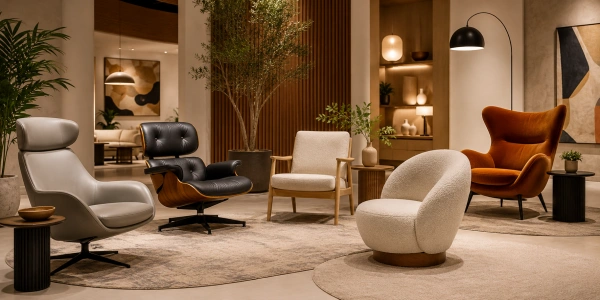
Biomorphic chair design, inspired by the flowing forms of nature, is more than just an aesthetic trend. It’s a philosophy that merges art with ergonomics to create seating that feels intuitively comfortable. This guide explains the core principles behind this organic design approach and reveals five key secrets to its exceptional comfort.
- 1. Understanding the Principles of Biomorphic Furniture Design
- 2. Comfort Secret #1: Ergonomic Harmony
- 3. Comfort Secret #2: Psychological Ease
- 4. Comfort Secret #3: Material Fluidity
- 5. Comfort Secret #4: Dynamic Support
- 6. Comfort Secret #5: Inviting You to Move
- 7. Choosing the Right Biomorphic Chair for You
Understanding the Principles of Biomorphic Furniture Design
When we talk about biomorphic design explained, we’re diving into a world where furniture stops looking “manufactured” and starts feeling “grown.” It’s a style that draws directly from the curves, contours, and structures found in the natural world. Think of a smooth river stone, the gentle arc of a leaf, or the supportive curve of a seashell. These aren’t just pretty shapes; they’re forms perfected by nature over millennia for strength, efficiency, and harmony. In the world of lounge chairs, applying organic design principles means moving away from rigid right angles and embracing forms that feel more intuitive to the human body.
Nature as the Blueprint
The core idea here is biomimicry—not just copying nature’s look, but learning from its logic. A great example is how a chair’s armrest might mimic the supportive curve of a tree branch, or how the seat base flows like a hillside. This approach to explaining organic furniture shapes focuses on creating pieces that feel like a natural extension of your living space, not an industrial object placed within it. It’s about creating a sense of calm and belonging, which is a huge part of what makes a lounge chair truly relaxing.
Comfort Secret #1: Ergonomic Harmony
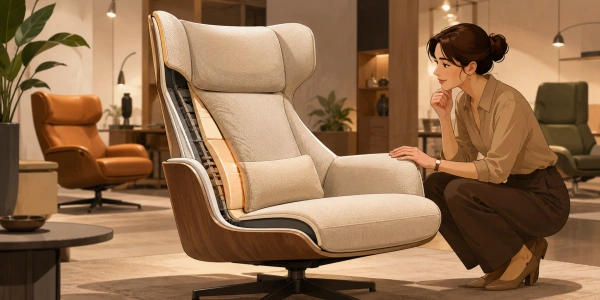
The first and most important secret is how biomorphic chairs achieve ergonomic comfort. Unlike traditional chairs that force your body into a predetermined posture, a biomorphic lounge chair is designed to *follow* your body’s natural alignment. The lumbar support isn’t a hard, added block; it’s a seamless, flowing curve that cradles the small of your back. The seat pan often widens gently to accommodate different sitting positions. This isn’t about strict posture correction; it’s about creating a supportive environment where your spine can find its own comfortable, neutral position. It’s the difference between sitting *on* a chair and being nestled *within* it.
Comfort Secret #2: Psychological Ease
Comfort isn’t just physical—it’s deeply psychological. This is a key part of understanding biomimetic design. Our brains are hardwired to find organic, flowing shapes calming and safe. Sharp corners and harsh lines can subconsciously signal danger or rigidity. In contrast, the soft, undulating curves of a biomorphic chair signal safety, relaxation, and openness. When you sink into one, it can trigger a subtle, calming effect, reducing stress before you even realize it. It transforms a lounge chair from a simple seat into a personal sanctuary for unwinding.
Comfort Secret #3: Material Fluidity
The form is only half the story. The materials used in biomorphic lounge chairs are chosen to enhance that organic feel. You’ll often find molded plywood that bends like muscle, plush upholstery that drapes like soft moss, or even molded plastics that recall the smooth surface of a pebble. These materials work *with* the form, not against it. For instance, a fabric with a little stretch can conform to the chair’s curves and your body simultaneously, while a warm, tactile wood adds to the natural aesthetic. The goal is a cohesive experience where touch and sight agree: this chair is made for comfort.
Comfort Secret #4: Dynamic Support
A common misconception about curvy furniture is that it might lack support. The reality of biomorphic seating design is quite the opposite. These chairs often provide what we call “dynamic support.” Instead of a single, rigid point of contact, your body weight is distributed across a broader, contoured surface. Imagine the difference between lying on a flat board versus a gently sculpted mattress. The biomorphic chair acts like that mattress, cradling and supporting you evenly, which prevents pressure points and allows you to sit for longer periods without discomfort. It’s a secret that makes all the difference for long reading sessions or movie marathons.
Comfort Secret #5: Inviting You to Move
Finally, a great biomorphic chair understands that comfort isn’t static. The best organic modern chairs encourage subtle movement. Their forms might allow you to tuck a leg underneath, shift sideways, or recline slightly without ever feeling “off-balance” in the design. This freedom to fidget and adjust is crucial for long-term comfort, promoting circulation and preventing stiffness. The chair doesn’t dictate how you must sit; it invites you to find your own perfect, ever-changing position within its embracing form.
Choosing the Right Biomorphic Chair for You
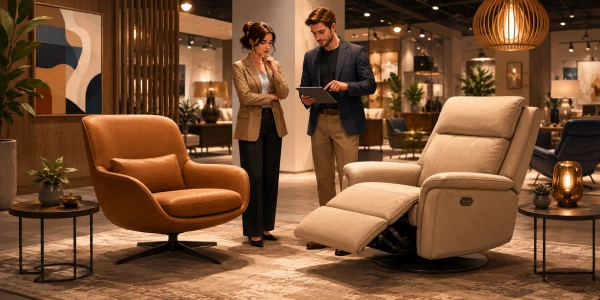
Now that you know the secrets of comfortable chair design rooted in nature, how do you choose one? My advice is to prioritize feel over pure looks. When you test a chair, pay attention to how the curves meet your body. Does the lower back support feel natural? Do the armrests sit at a relaxed height? Look for quality materials that complement the form. Remember, a true biomorphic piece should feel like a calming, supportive presence in your room. For a deeper dive into the history and theory behind this movement, resources like the Museum of Modern Art offer great insights into how organic design principles shaped modern furniture. Ultimately, the right chair won’t just be a place to sit—it will be a source of daily comfort and a beautiful, natural accent in your home.